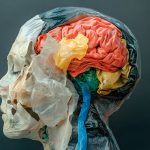
Scientists used to believe that dementia and cognitive decline solely happened in your brain.
We now know that is far from true.
Emerging research is revealing that your gut microbiome—the trillions of microbes living in your digestive tract—may be one of the most important factors influencing your brain’s health as you age. Recent studies suggest that gut health and dementia are closely linked. Individuals with fewer and less-diverse gut microbes are more likely to experience cognitive impairment, Alzheimer’s disease, and mental health issues, like depression and anxiety.
In this article, you’ll learn how the gut-brain connection works, how to spot signs of microbial imbalance, and what you can do today to support both your gut and brain.
The Brain In Your Belly
In addition to the brain in your head, you also have a brain in your gut, called the enteric nervous system.
This second brain consists of a network of some 500 million nerve cells and 100 million neurons—equivalent to about the size of a cat brain—lining your gut, esophagus to anus. That’s more neurons than are in your spinal cord or peripheral nervous system! Your enteric nervous system has its own intelligence and can function without any input from your central nervous system. In fact, it transmits information to it.
Just like the brain in your head, the brain below uses over 30 neurotransmitters including dopamine and serotonin. In fact, 90 to 95 percent of the body’s serotonin and 50 percent of dopamine are produced in your gut, along with many other chemicals.
Scientists are learning that your emotions and mental and brain health are largely influenced by the gut-brain connection via the vagus nerve. I’ll bet you can remember a time when you had one of those intuitive gut feelings, the unmistakable flutter of butterflies, or waves of nausea. That’s your enteric nervous system at work.
Your Gut Health Is Central to Your Mental and Overall Health
Living in your gut are tens of trillions of microorganisms, including bacteria, parasites, protozoans, and fungi, making up part of your unique microbiome. We’ve always known these little guys play a major role in digestion, allergies, and metabolism. Now, we know that the bacteria in your gut aid in the production of essential nutrients and neurotransmitters and greatly influence your immune function. Science has also uncovered connections between intestinal bacteria and anxiety, depression, autism, Alzheimer’s disease, and other mental disorders.
Your gut and brain are in constant two-way communication through what’s known as the gut-brain axis which includes the transmission of:
- Neural signals via the vagus nerve
- Hormonal messages
- Immune responses
In One billion reasons probiotics protect your brain, Dr. Sarah McKay, neuroscientist, explains the gut/brain connection:
- a healthy balance of gut bacteria contributes to normal behavior, cognition, emotion, and a well-functioning immune system;
- poor balance of the bacteria (brought on by stress, disease, or antibiotics) disrupts the gut-brain signaling pathways;
- disruptions in gut-brain signaling may lead to abnormal brain function, changes in behavior, thoughts, emotions, our perception of pain, and may also impact the immune system.

How Gut Microbes Affect Brain Function and Dementia Risk
Here’s how an unhealthy gut microbiome can impact your memory and thinking:
1. Increased Inflammation
Bad bacteria in your gut can cause chronic low-grade inflammation. This affects the blood-brain barrier, allowing toxins to reach the brain and impair cognition.
2. Reduced Brain-Protective Compounds
Healthy gut microbes produce short-chain fatty acids which reduce inflammation and support neuroplasticity and memory.
3. Disrupted Neurotransmitter Production
An imbalanced gut reduces the production of serotonin, GABA, and dopamine—key chemicals involved in mood regulation and cognitive performance.
The Microbiome Signature of Dementia
A study in Journal of Alzheimer’s Disease, summarized by Scott Anderson here, found a unique microbial signature of dementia. Compared to cognitively healthy individuals, people with Alzheimer’s had:
- Reduced microbial diversity
- Lower levels of short-chain fatty acids (SCFAs) like butyrate
- Higher levels of pro-inflammatory bacteria
These changes reflect a condition called gut dysbiosis, which contributes to systemic and brain inflammation. What is even more concerning is that these microbial changes often occur before any symptoms of cognitive decline appear, which means they could serve as early warning signs—offering a valuable window for diagnosis and the opportunity to apply preventative measures.
According to a study by the National Institute on Aging, stool samples may one day help identify Alzheimer’s in its earliest stages—before memory loss begins. With earlier detection, doctors could intervene sooner using personalized dietary and lifestyle strategies. This evolving field holds promise for future gut-based diagnostics and treatments.
Women, Hormones, the Gut-Brain Link and Dementia
Women may be even more affected by the microbiome-Alzheimer’s connection. According to the National Institute on Aging, hormone fluctuations impact gut health and brain function. Post-menopausal drops in estrogen can weaken the gut barrier and microbial diversity, increasing inflammation and cognitive risk. This helps explain why women make up nearly two-thirds of Alzheimer’s cases.

A Gut-Healthy Diet for Cognitive Longevity and Lower Dementia Risk
Diet is the most effective way to fortify a healthy microbiome. Science has proven that dietary habits throughout your lifetime play a crucial role in determining whether or not you develop dementia. Research shows that altering your diet can reduce your risk of Alzheimer’s Disease (AD) by as much as 53 percent.
The MIND Diet, developed by Dr. Martha Clare Morris and her colleagues at Rush University Medical Center, stands for Mediterranean-DASH Intervention for Neurodegenerative Delay. It combines elements from two well-known dietary patterns — the Mediterranean diet and the DASH (Dietary Approaches to Stop Hypertension) diet. Both diets focus on heart health, but the MIND diet emphasizes foods that specifically protect brain function.
According to science, the answer isn’t found in eating just one particular food. The best results come from a diet with a combination of nutrients that work together to support and nourish your brain. Here’s what the research shows:
- Diets high in fiber, polyphenols, and fermented foods promote beneficial microbes.
- Ultra-processed, sugary foods destroy microbial diversity and encourage inflammation.
Best Foods for Your Gut and Brain:
- Leafy greens and cruciferous vegetables
- Berries and antioxidant-rich fruits
- Whole grains and legumes
- Fermented foods: yogurt, kefir, kimchi, sauerkraut
6 Ways to Improve Your Gut-Brain Axis
Don’t wait for a diagnosis. Here are science-backed steps you can take now to support your gut and protect your brain:
- Diversify your diet. Eat the rainbow. Aim for 30+ plant foods weekly to feed a rich microbiome.
- Eliminate ultra-processed foods. Limit sugar, additives, and artificial ingredients.
- Eat fermented foods daily. Natural probiotics keep gut flora balanced.
- Exercise regularly. Physical activity boosts microbiome diversity.
- Lower stress levels. Chronic stress alters gut bacteria—try mindfulness and deep breathing.
- Consider prebiotics and probiotics. Supplement strategically under the guidance of a doctor.

Your Gut Microbiome: A Key to Brain Health
The science is clear: your gut health is deeply connected to your brain health. From mood regulation to memory and dementia prevention, your microbiome plays a critical role. By adopting gut-friendly habits today, you’re investing in a sharper, healthier brain tomorrow.
The best part?
These changes are simple, natural, and entirely within your control.
So the next time you eat, think of nourishing your gut—and your brain will thank you.
Share this article!